It’s all in a Dream
I was fascinated by The Writing Life story in the Washington Post Book World regarding Robert Olen Butler’s account of how a dream changed his life because it changed his creative process for his writing. He describes how his dream of Richard Nixon made him reflect differently on the man, who he detested. It’s actually an interesting dream — similar to weird, funny but inexplicably, unsettling dreams we all might have and not think too much about, but they still bother us. Upon trying to understand his dream, Butler came to recognize that the “sensuous details…[were] probably the most important” and were the ones that could be easily overlooked. In these details he witnesses Nixon’s humanity — something shared in the human experience and he realized that his insight into this man didn’t come truthfully from his analytical reasoning of him but from his dream — his “unconscious.” Sometimes the artistic flow and insight comes from not thinking too hard but from paying more attention.
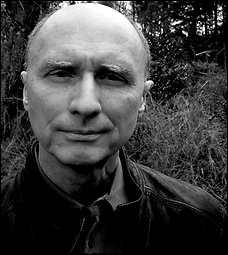
I agree with listening to the inner self, paying attention to the details and trying to make sense of it all but I disagree that observations shouldn’t also be logically based. I think it’s up to the artist, not to “act out the role of God,” as he positions but to strike the balance between intuition and rationale and it’s more important to be a loving person than a loving God. Should we, as mere mortal humans really presume to play the role of God, anyway?…. Nonetheless, I’m intrigued to read some of his work.

casart
I'm an artist, wife and mother of two boys. I started my illustration business, The Occasional Palette over 35 years ago, when my oldest son was an infant. Once my children were in school, I began painting decorative, faux finishes and murals through my second business, Casart, now over 30 years old. My third business, Casart Coverings, is a springboard from my second. Click on the link on the sidebar to see innovative, custom, designer wallcovering, removable and reusable wallpaper and coordinating decor.


